Lichen on Your Roof and Why It's So Stubborn
You've probably seen it without knowing its name. Those crusty, flat patches on your roof, pale grey, sometimes a mustard yellow or greenish-white, that look almost painted on. That's lichen, and if you've ever tried to shift it, you'll know it does not come off easily.
Moss gets all the attention, but lichen is the quieter, more stubborn problem on a lot of West Midlands roofs. It clings harder, grows slower, and resists the casual approaches that might knock moss back. Understanding what it actually is makes it a lot easier to deal with. Here's the story on lichen.
The quick answer: Lichen is a tough organism, part fungus and part algae, that grips roof tiles hard and grows into the surface. It's more stubborn than moss and won't scrub off easily, so it needs a soft wash with a biocide treatment that kills it at the root and lets it weather away.
1. What Lichen Actually Is
Lichen is a strange thing, and that's part of why it's so tough. It's not a single plant but a partnership: a fungus and an alga living together as one organism. The alga makes food from sunlight, the fungus provides structure and grip, and together they survive where neither could alone.
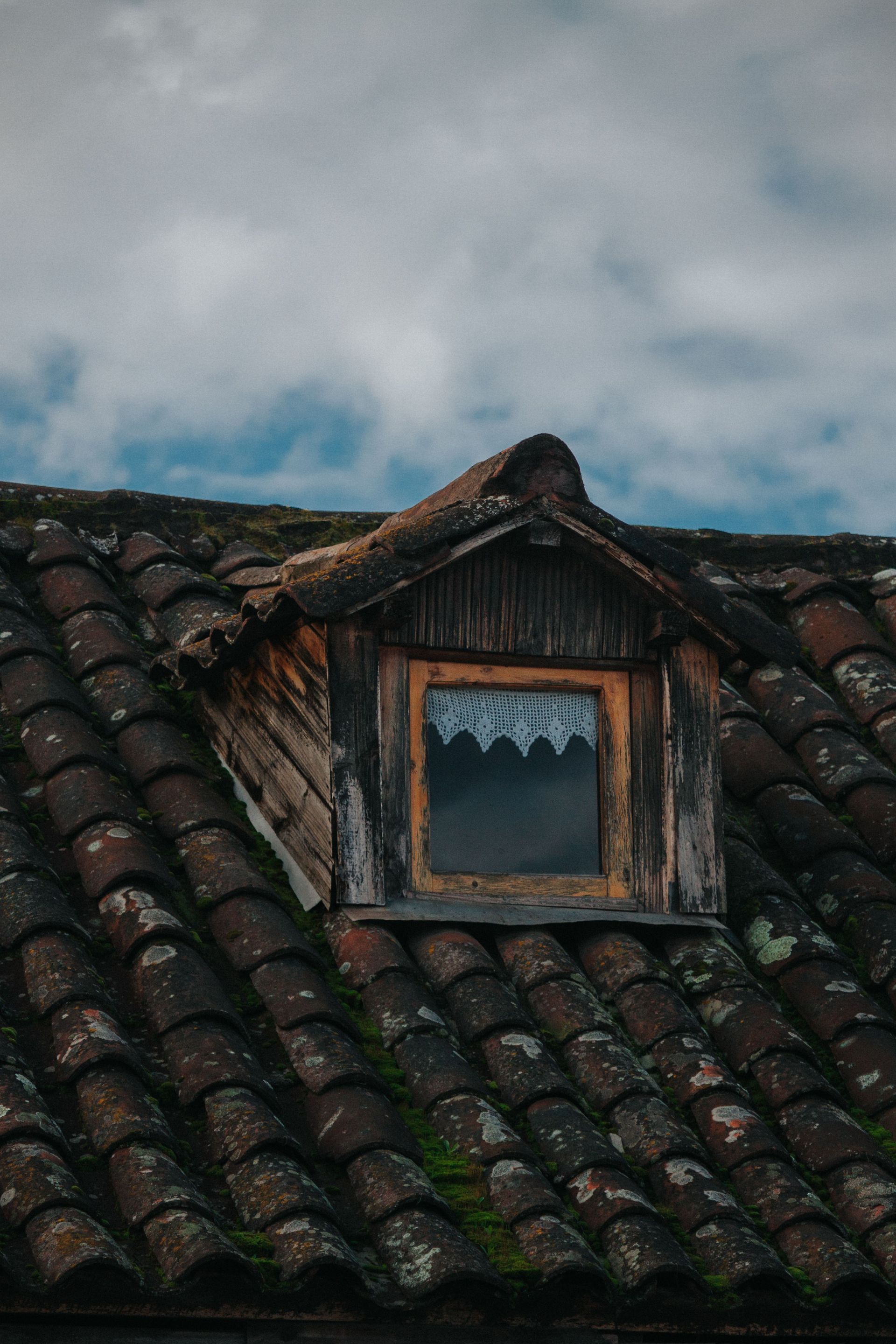
That partnership makes lichen remarkably hardy. It shrugs off dry spells, cold, and conditions that would kill a simpler growth. On West Midlands roofs it shows up as those flat, crusty rosettes, spreading slowly across old slate and clay tile, particularly on roofs that have been up a long time.
2. Why It Grips So Hard
Moss sits on top of a roof, holding on loosely. Lichen is different. It grows into the surface, sending tiny anchoring threads into every pit and pore of the tile. On the aged, porous slate and clay common across the West Midlands, there's plenty for it to grab.
That's why you can't just brush lichen off. It's bonded to the tile, not resting on it. Try to scrape it away and you'll damage the tile surface before the lichen fully lets go. Its grip is exactly what makes the wrong cleaning approach so risky on an older roof.
3. Why It's So Slow and Stubborn
Lichen grows slowly, which is both good and bad news. Good, because it takes years to establish, so it's rarely an overnight problem. Bad, because that slow, tough growth is incredibly persistent once it's there. It doesn't wash off in the rain the way loose dirt does.
It also tolerates the West Midlands climate perfectly. Damp, mild, with plenty of grey days, our conditions suit lichen just fine. Once it's settled on a roof, especially an older one with weathered tiles, it will keep slowly spreading unless something is done to kill it properly.
4. Is Lichen Actually Harming the Roof?
Lichen is less immediately damaging than thick moss, which holds water and blocks gutters. But it's not harmless. Those anchoring threads work into the tile surface, and over many years they contribute to the slow breakdown of the weathered top layer, especially on old slate.
It also traps a little moisture against the tile, and on a West Midlands roof that faces frost each winter, any held water is a small risk. Mostly, though, lichen is a sign of an aged, damp-friendly roof surface, the same conditions that let moss and algae take hold too. Where there's lichen, there's usually other growth.
5. Why Soft Washing Is the Answer
Because lichen grips so hard, the temptation is to attack it with force. That's the worst thing you can do on old slate or clay. A pressure washer strong enough to shift bonded lichen will strip the tile surface and crack fragile tiles. You'd trade the lichen for a damaged roof.
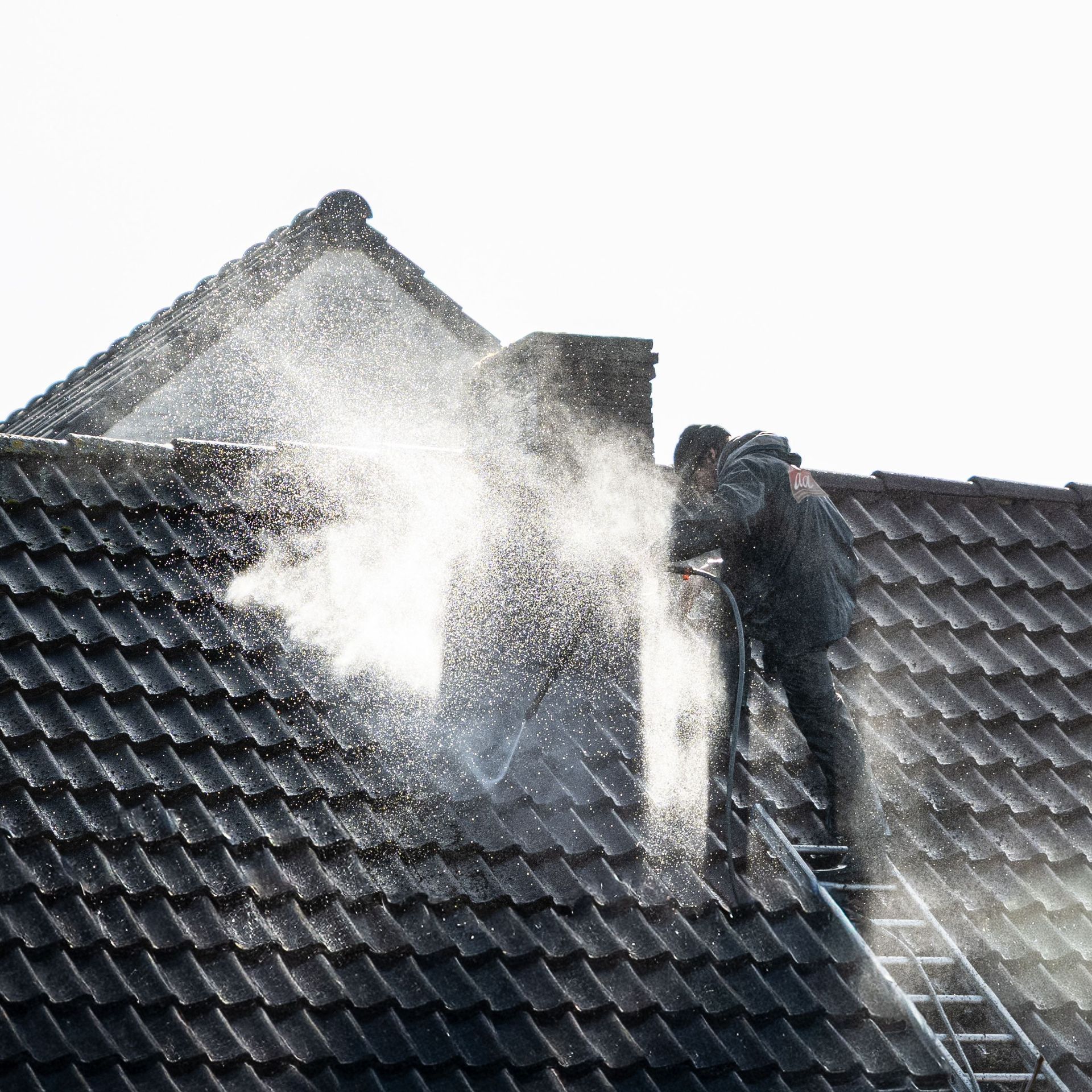
Soft washing takes the patient route. A biocide treatment is applied at low pressure, and it kills the lichen at the root over time, breaking down its grip. The dead lichen then weathers away gradually with the rain over the following weeks and months. No force, no cracked tiles, no stripped surface.
6. Keeping It From Coming Back
Once lichen is killed and cleared, keeping the roof clean holds it off. Lichen is slow to return, so a roof that's treated and then maintained on a sensible cycle stays clear for a good while. The biocide leaves the surface less hospitable to new growth.
Here's how to stay ahead of lichen on a West Midlands roof:
- Don't scrape or pressure wash: forcing bonded lichen off damages the tile. Let a biocide do the work instead.
- Treat it alongside moss and algae: where there's lichen there's usually other growth, so a full soft wash tackles all of it.
- Give it time after treatment: dead lichen weathers away over weeks and months rather than vanishing on the day.
- Keep to a cleaning cycle: a soft wash every two to three years stops all growth, lichen included, from re-establishing.
- Watch the older, shaded slopes: weathered north-facing tiles are where lichen and moss settle first.
Frequently Asked Questions
What's the difference between lichen and moss?
Moss is a soft, green cushiony growth that sits on the roof. Lichen is a flat, crusty grey or yellow organism, part fungus and part alga, that grows into the tile surface and grips much harder.
Can I just scrub the lichen off?
Better not to. Lichen bonds into the tile, so scrubbing or scraping damages the surface before the lichen lets go. A biocide treatment that kills it at the root is the safe way to clear it.
Is lichen damaging my roof?
Less than thick moss, but not harmless. Its anchoring threads work into weathered tiles over the years and it traps a little moisture. It's also a sign of an aged, damp roof surface that usually has other growth too.
Why won't a pressure washer just blast it off?
A jet strong enough to remove bonded lichen would strip and crack the aged slate and clay common in the West Midlands. You'd swap the lichen for a damaged roof. Soft washing avoids that.
How long before the lichen disappears after treatment?
Weeks to months. The biocide kills it, then rain and weather wear the dead lichen away gradually. Unlike moss, lichen takes a little longer to fully weather off because of how hard it grips.
Got stubborn lichen crusting up your roof?
Ben's Roof Cleaning clears lichen, moss, and algae safely across the West Midlands, with over 15 years of experience. Get in touch or call 0788 912 7153
for a free, no-obligation quote.
Stubborn, but Not Unbeatable
Lichen earns its reputation. It's tough, it grips hard, and it laughs off the quick fixes that might dent moss. But it's not unbeatable. The trick is not to fight its grip with force, which wrecks the tile, but to kill it at the root with a gentle biocide treatment and let time do the rest. On the aged roofs across the West Midlands where lichen loves to settle, that patient approach clears it and protects the tiles at the same time.