DIY Roof Cleaning: Why It's Rarely Worth the Risk
You've looked up at the green creeping across your tiles and thought about grabbing a ladder and sorting it out yourself. Your roof looks grubby, the moss is thickening, and a rented pressure washer feels like a cheap Saturday job. It's a tempting idea, especially once professional quotes start landing in your inbox and the numbers make you wince.
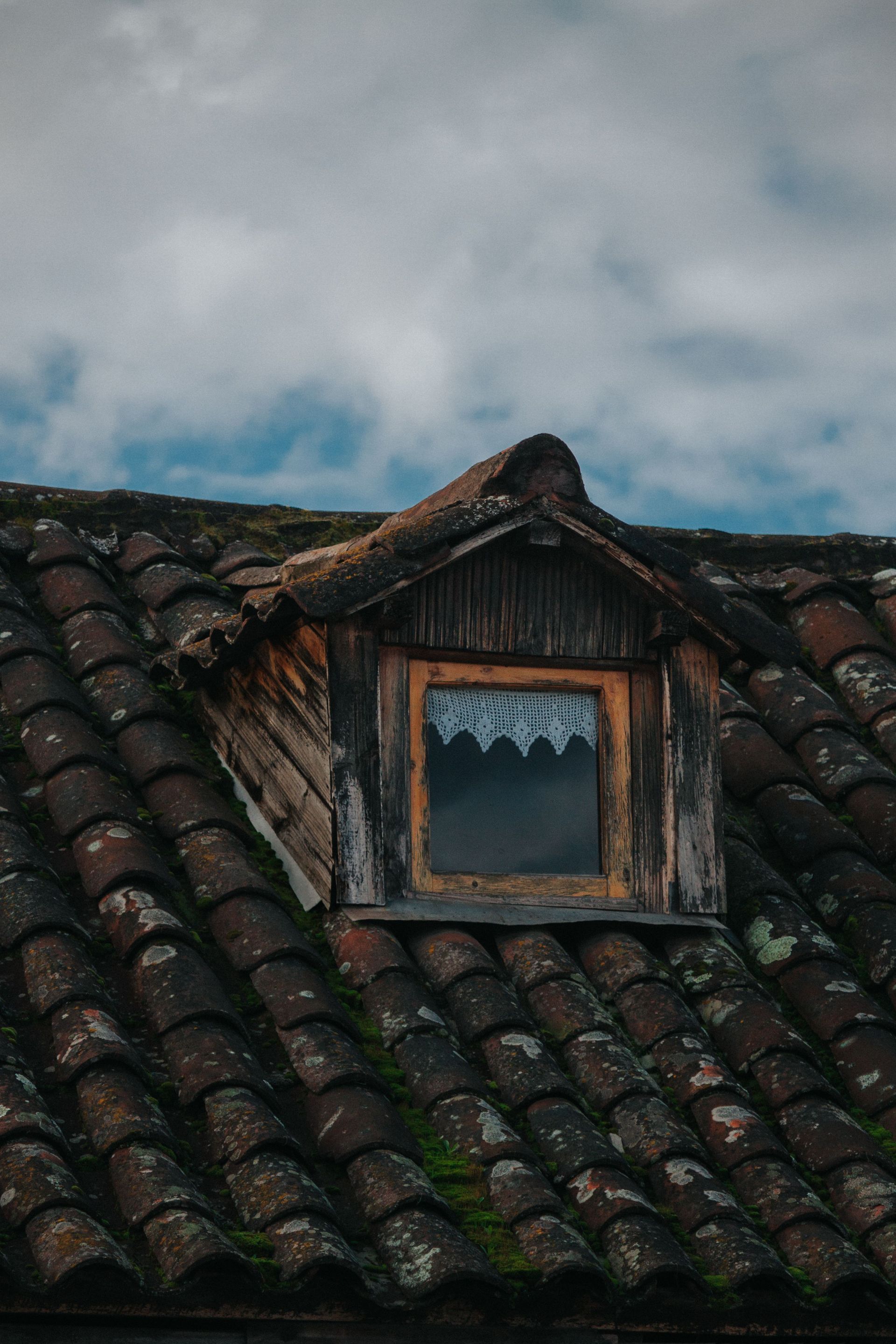
Here's the honest problem, though. Roofs are steeper, higher, and far more fragile than they look from the pavement. Across the West Midlands, plenty of homes still wear old Welsh slate or ageing red clay tile that can crack the moment you put weight in the wrong place. Add wet weather, a ladder on soft ground, and a job you've never done before, and a quick clean turns into something you regret. Let's walk through why DIY roof cleaning rarely pays off.
The quick answer: DIY roof cleaning is rarely worth it because the fall risk is serious, the wrong method cracks tiles and forces water inside, and the results seldom last as long as a proper soft wash with a follow-up treatment.
1. The fall risk is the part people underestimate
Working at height is the single biggest reason to think twice. A two-storey Birmingham terrace puts you a good six or seven metres up, and the eaves of a bay-fronted semi in Solihull or Sutton Coldfield can be higher still. From the ground it doesn't look like much. Up there, with a slick of moss under your boots and a ladder that shifts on damp paving, it feels very different.
Roofers train for this and still treat every job with respect. Ladder falls send thousands of people to hospital in the UK every year, and a lot of them were only meant to be up there for ten minutes. No roof looks worth a broken back or a fractured wrist, and yet that's exactly what people gamble when they climb up to scrub off a bit of green.
2. Pressure washing does real damage to older tiles
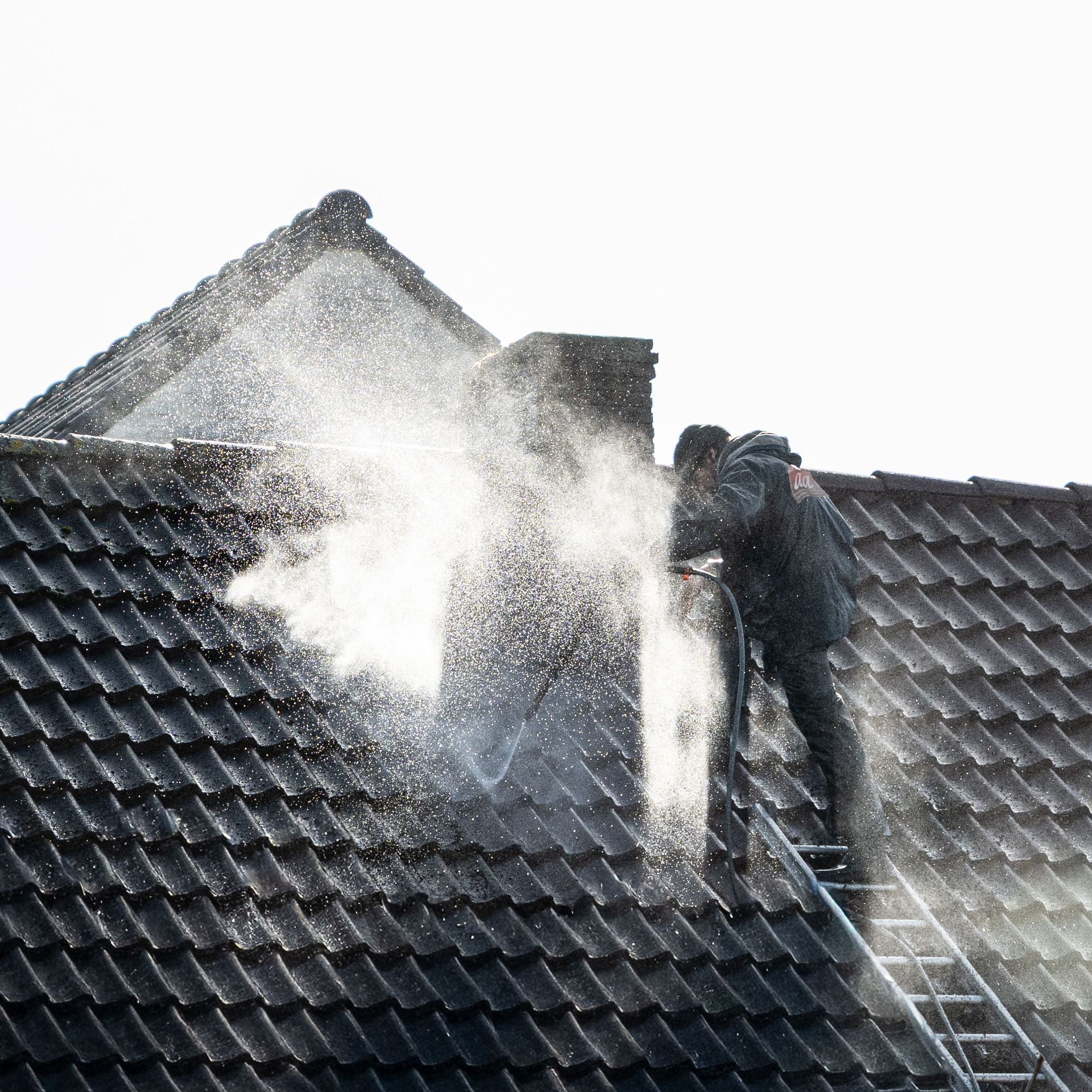
The tool most people reach for is the worst one for the job. A domestic pressure washer throws water hard enough to strip the protective surface off a concrete tile and blast the fired glaze off old clay. Many roofs across the Black Country, from Dudley to Walsall, are a century old or more, and their tiles have already softened with age. A high-pressure jet can leave them porous and pitted in a single afternoon.
Slate suffers too. Welsh slate is common on the older housing stock right across the region, and while it's tough, the nails and battens holding it are not. A strong jet can lift slates, crack the thinner ones, and drive grit into the laps where the courses overlap. You end up with a roof that looks briefly cleaner and ages a great deal faster.
3. You can force water where it should never go
Roof coverings are designed to shed water running downhill, not to take a jet fired sideways or upward. Aim a pressure washer under the tiles and you push water past the laps, past the flashing, and onto the felt and timber below. In an older Wolverhampton terrace with worn underfelt, that water has an easy path straight into the loft.
The damage from this rarely shows up on the day. It turns up weeks later as a damp patch on a bedroom ceiling or a musty smell in the roof space, long after you've put the pressure washer back in the shed. By then it's hard to connect the leak to the clean, and the repair costs far more than a professional job would have.
4. Moss comes back faster than you'd think
Say you manage to scrape the moss off without hurting yourself or the roof. Within a season or two it's back, often thicker than before. That's because scraping only removes what you can see. It leaves behind spores and root threads sitting in the grain of the tile, ready to regrow the moment the weather turns damp again.
The West Midlands gives that regrowth everything it needs. We sit inland with a cool, wet climate, and north-facing slopes on our tightly packed terraces stay shaded and damp for most of the year. Without a biocide treatment to slow the regrowth, a hand-scraped roof in Coventry or Smethwick is green again before you've got your money's worth from the effort.
5. The gear costs more than one clean
People assume DIY saves money, but the sums often don't add up. A tall enough ladder, a stabiliser, a decent brush, a pressure washer or a pump for treatment, plus a harness if you've any sense, adds up quickly. Buy all that for one roof and you've likely spent as much as a professional clean, with none of the experience and none of the insurance.
Then there's the time. A job a trained team finishes in a few hours can eat a whole weekend when you're learning as you go, stopping every few minutes to reposition the ladder. If something goes wrong and a tile cracks, the roofer you call in to fix it costs more than the clean you were trying to avoid in the first place.
6. What a professional approach actually looks like
A proper roof clean isn't just a stronger version of what you'd do yourself. It's a different method. Soft washing uses low-pressure water and a biocide treatment to lift moss and kill off the algae and spores without hammering the tiles. The moss is cleared gently, the roof is treated, and the treatment keeps working for months after the visit.
Experience counts for a lot here too. After more than 15 years on roofs around the region, a good team reads the covering before touching it, knows how brittle a hundred-year-old clay tile in the Jewellery Quarter can be, and works in a way that protects the roof rather than punishing it. That's the difference between a clean that lasts and one that causes problems.
- Height risk: Two-storey terraces and semis put you high enough that a fall can cause serious, lasting injury.
- Tile damage: Pressure washing strips the surface off old clay, concrete, and slate that's already softened with age.
- Hidden leaks: Jetting water sideways forces it under the tiles and into the loft, often without any sign until later.
- Fast regrowth: Scraping alone leaves spores behind, so moss returns within a season or two.
- False economy: Buying the kit for one job usually costs as much as hiring professionals who are insured and quick.
Frequently Asked Questions
Is it ever safe to clean my own roof?
Only the low, easy-to-reach parts, and only from a stable platform. Anything on the main pitch of a two-storey West Midlands house is genuinely risky, and most people don't have the training or the right kit to do it safely.
Can't I just use a pressure washer on a low setting?
Even on a lower setting, a domestic pressure washer can lift tiles and drive water under the laps. The angle matters as much as the pressure, and it's easy to force water somewhere it shouldn't go without realising.
Why does the moss grow back so quickly after I scrape it?
Scraping removes the visible growth but leaves spores and roots in the grain of the tile. In our damp inland climate they regrow fast unless a biocide treatment is applied to slow them down.
Will a professional clean damage my old slate roof?
A soft wash is designed for exactly these roofs. It uses low pressure and a treatment rather than force, so it clears the moss without cracking slates or loosening nails on older properties.
How long does a professional roof clean last?
With a biocide treatment applied afterwards, a soft-washed roof usually stays clear for a good deal longer than a hand-scraped one. The exact time depends on how shaded and damp your roof is.
Thinking about cleaning your roof this year?
Ben's Roof Cleaning carries out safe, low-pressure roof cleaning, moss removal, and gutter cleaning across the West Midlands, with over 15 years of experience. Get in touch or call 0788 912 7153
for a free, no-obligation quote.
Leave the ladder in the shed and the roof to the pros
There's no shame in wanting to save money, but a roof is one job where doing it yourself usually costs more in the end. The risk to you, the damage to the tiles, and the moss that grows straight back all point the same way. A professional soft wash keeps you on the ground, protects the roof, and lasts long enough to be worth it. That's a far better deal than a bruised weekend and a cracked tile.