Getting Your West Midlands Roof Ready for Winter
A West Midlands winter has a real bite to it. The region sits inland, away from the milder coast, so it catches sharp frosts and cold, still nights where the temperature drops hard. Your roof takes all of it, and the shape it's in when the cold arrives decides whether it comes through fine or springs a leak in January.
A little preparation in autumn saves a lot of trouble later. You don't need to get up there yourself. You just need to know what matters and get it sorted before the first proper freeze. Here's how to get your West Midlands roof winter-ready.
The quick answer: Prepare your West Midlands roof for winter by clearing moss and debris before the frosts, unblocking the gutters, checking for slipped or cracked tiles, and dealing with any damp early, so trapped water can't freeze and crack your roof.
1. Why a West Midlands Winter Punishes Roofs
It all comes down to freeze and thaw. Autumn leaves plenty of moisture sitting on and in your roof, and when the temperature drops that water freezes. Frozen water expands, and that expansion forces gaps wider and cracks tile.
Then it thaws, seeps deeper, and freezes again with the next cold snap. The region's inland position means clear, cold nights and sharp frosts that drive this cycle hard through winter. A roof that goes into the season damp and mossy comes out in far worse shape than one that went in clean and dry.
2. Clear the Moss Before the Frost Comes
Moss is the biggest winter problem, because it works like a sponge, holding water right against the tile. When that water freezes, it does the most damage exactly where you least want it. A roof thick with moss heading into a West Midlands winter is asking for cracked tiles by spring.
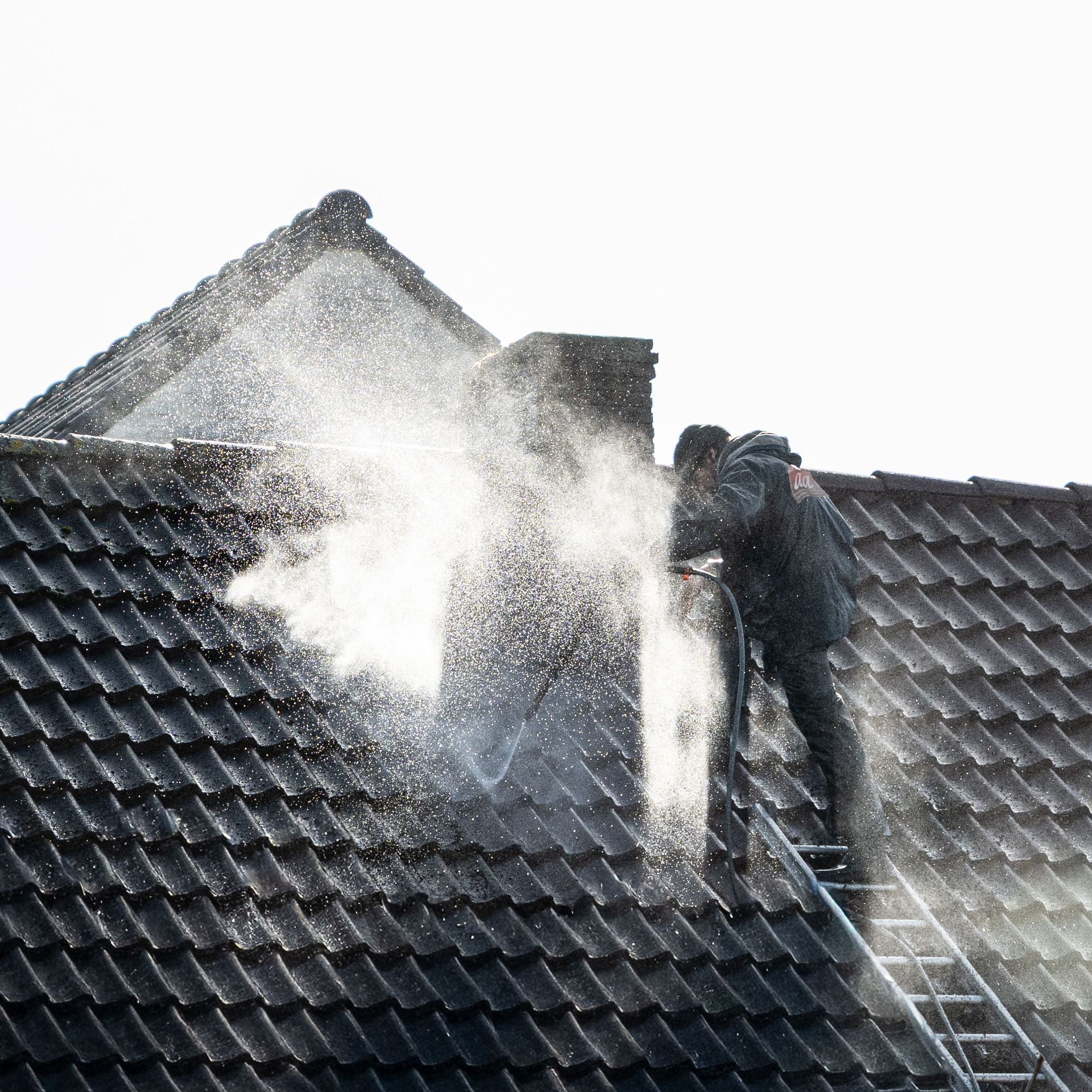
Autumn is the ideal time for a soft wash. Clearing the moss before the frosts means far less trapped water sitting up there when the cold hits. It's the single most useful thing you can do to protect your roof through the winter months.
3. Get the Gutters Running Clear
Autumn fills gutters fast across the West Midlands, especially on the tree-lined streets of the leafier suburbs where leaves drop straight onto the roofs. Add moss washed down from the tiles and the gutters clog solid.
A blocked gutter in winter spells trouble. Water backs up, and when it freezes it becomes ice that sits heavy and forces water under the tiles. Clearing the gutters before winter lets rain and meltwater drain away as it should, instead of pooling and freezing.
4. Check for Slipped and Cracked Tiles
Before winter settles in, look over your roofline from the ground, ideally with binoculars. You're checking for tiles that have slipped out of line, gaps in the pattern, or tiles lying in the gutter. Every one is a way in for water.
A single slipped tile can look minor, but through a wet, frosty West Midlands winter it lets water reach the timbers beneath, where it freezes and thaws and does slow damage. Sorting a loose tile in October is a quick job. Finding the leak it caused in February is not.
5. Deal With Damp and Small Leaks Now
If you've noticed any damp patch on an upstairs ceiling, or staining in the loft, don't put it off until spring. A small leak in autumn turns into a big one over winter, as freeze-thaw widens whatever gap is letting water in.
Getting it looked at before the cold weather means a smaller, cheaper fix and a dry house through the worst months. Winter is when you most need your roof watertight, so autumn is the time to make sure it is.
6. Why Autumn Beats Waiting for Spring
Plenty of people wait until spring to sort the roof, once the damage is already done. Getting ahead in autumn turns that around. You head into winter with a clean, clear, sound roof, and you come out the far side without the cracked tiles and leaks that catch out unprepared homes.
Here's your autumn roof checklist for a West Midlands home:
- Moss cleared: a soft wash before the frosts so water can't freeze in the growth.
- Gutters cleared: leaves and moss out so meltwater drains instead of freezing.
- Tiles checked: no slipped, cracked, or missing tiles letting water in.
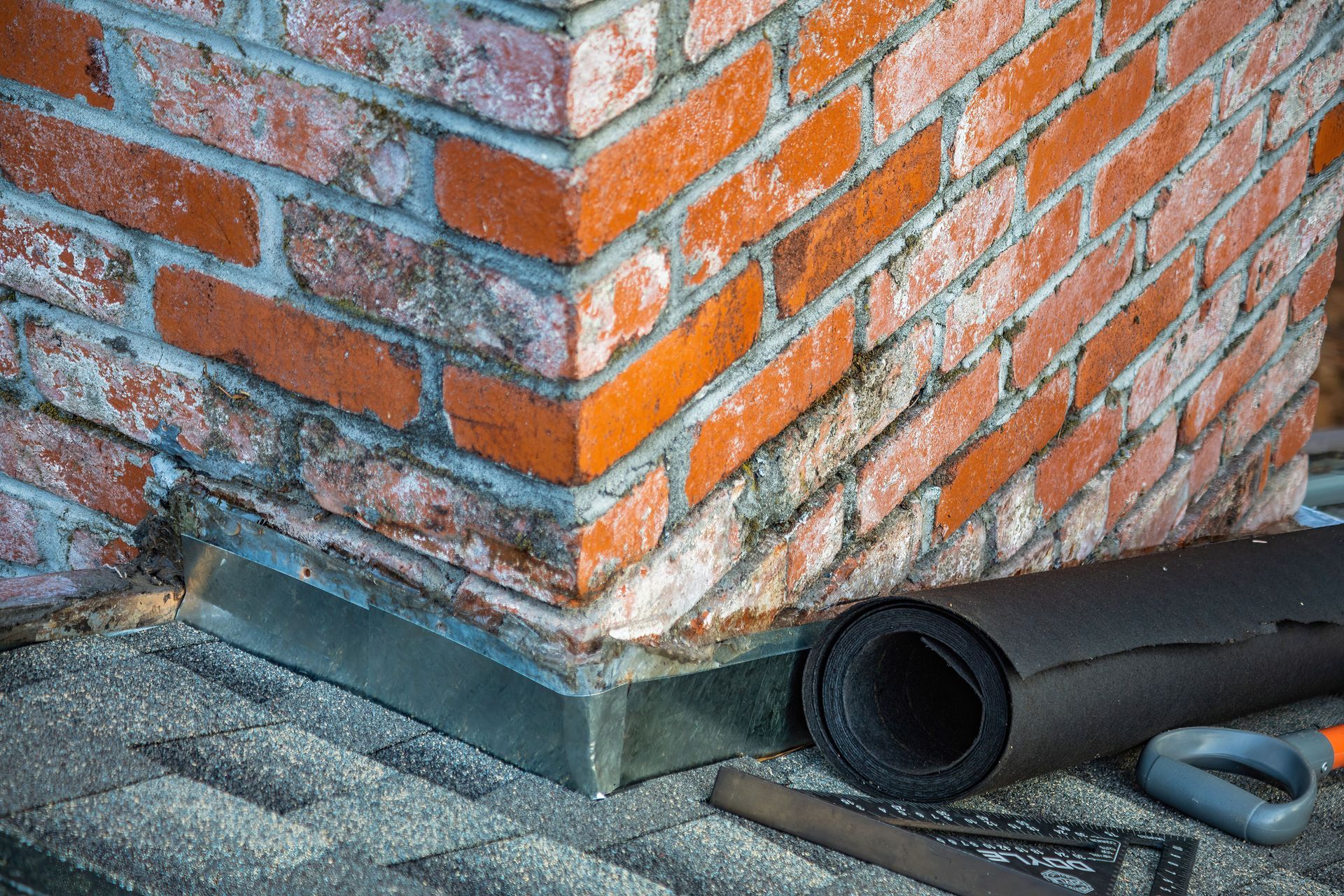
- Flashing and ridges looked over: mortar and lead around chimneys sound and sealed.
- Damp dealt with: any interior staining investigated before the cold makes it worse.
Frequently Asked Questions
When's the best time to prepare my roof for winter?
Early to mid autumn, before the first hard frosts. That leaves time to clear moss and gutters and fix small problems while the weather still lets the work happen safely.
Can roof cleaning be done in winter?
Yes, in dry spells, though autumn is better. If you've missed the window, it's still worth clearing heavy moss and blocked gutters rather than leaving them all winter.
Does moss really cause that much winter damage?
It does. Moss holds water against the tile, and when that water freezes it cracks the surface. Clearing moss before winter prevents a lot of frost damage.
How do I know if my tiles are still sound?
From the ground, look for slipped, cracked, or missing tiles and any that look flaky or crumbling. A professional can check more closely and replace the odd damaged tile before winter.
What if I find damp once winter has started?
Get it looked at as soon as you can. Damp only worsens with each freeze-thaw cycle, so acting quickly keeps the repair smaller even in the middle of winter.
Want your roof sorted before the frosts arrive?
Ben's Roof Cleaning gets roofs winter-ready across the West Midlands, with over 15 years of experience. Get in touch or call 0788 912 7153
for a free, no-obligation quote.
A Little Autumn Effort Buys a Dry Winter
Your roof can't dodge a West Midlands winter, but it can be ready for it. Clear the moss, free up the gutters, sort the slipped tiles, and deal with any damp while the weather still allows. Do that in autumn and you'll spend the cold months warm and dry instead of chasing leaks and watching stains spread. The freeze is coming either way. A prepared roof barely feels it.