
Giving Your Roof a Spring Check After Winter
You've made it through another winter, and now the lighter mornings are a good moment to look up at your roof. Over the cold months it took a battering from frost, wind, and weeks of rain, and some of that damage may be sitting there waiting to cause trouble. A quick check now can save you a soaked ceiling later in the year.
Spring is the natural time to take stock. The worst of the weather has passed, moss has usually thickened over the damp winter, and any tiles loosened by storms are easier to spot before the next round of bad weather. Across the West Midlands, where our damp inland climate is hard on roofs, this seasonal check is worth building into your year. Here's what to look for and why it matters.
The quick answer: Give your roof a spring check by looking for moss build-up, slipped or cracked tiles, blocked gutters, and damaged flashing, so you can fix small problems before the next spell of wet weather turns them into leaks.
1. Start from the ground with a good look
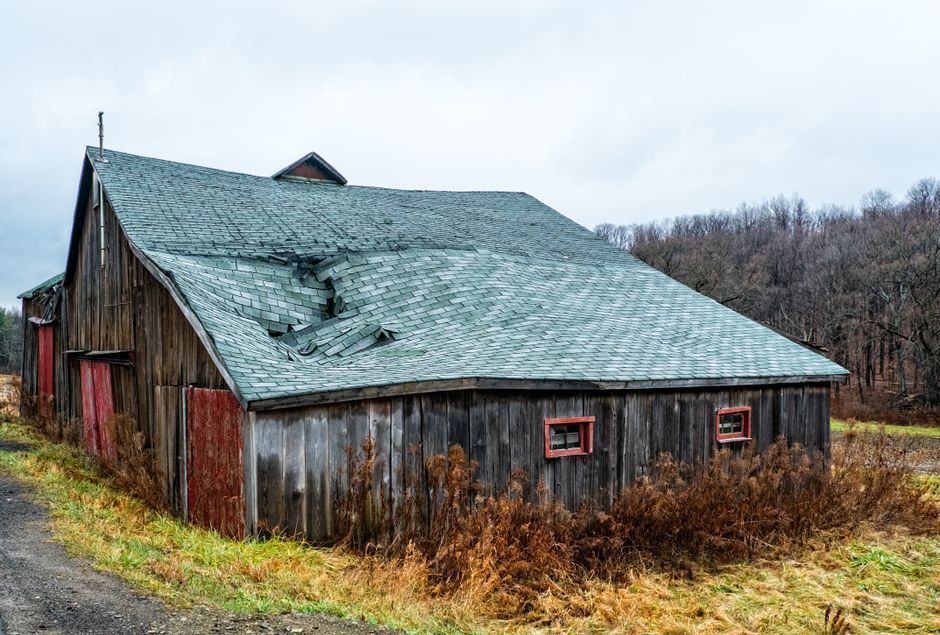
You don't need to climb up to begin. A slow walk around the house with a pair of binoculars tells you a surprising amount. Look along the roof line for tiles that have slipped out of place, gaps where one might be missing, and the tell-tale green of moss that's spread over winter. Note anything that looks out of line for a closer look later.
Do the same from inside. Pop into the loft on a bright day and see if any daylight shows through, which points to a gap in the covering. Damp patches or water stains on the timbers are a sign that something let water in over winter. On the older terraces around Birmingham and Wolverhampton, where roofs have seen many winters, these small clues are worth catching early.
2. Check for moss that thickened over winter
Moss loves the cold, wet months, and it's usually at its worst by spring. The damp winter weather across the region feeds it, and north-facing slopes that stay shaded and cold grow the thickest carpets. What was a light green film in autumn can be a spongy layer by March, holding water against the tiles and creeping into the gaps between them.
Left through the warmer months, that moss keeps working away at the roof and clogs the gutters as bits break loose. Spring is a sensible time to deal with it, clearing the build-up and treating the roof so it doesn't race back over the following winter. Catching it now means less damage and an easier job than waiting another year.
3. Look for slipped, cracked, or missing tiles
Winter storms and gales are hard on individual tiles. Wind can lift and shift them, and the freeze-thaw of frost can crack older ones. A single slipped or missing tile leaves the felt and timber below exposed, and that's all it takes for water to start getting in during the next downpour.
The region's older housing stock is especially prone to this. Many roofs across the Black Country wear ageing Welsh slate or old clay tile that's grown brittle over the decades, so a hard frost can crack what looked sound in autumn. Spotting a slipped tile in spring and getting it reset is a small job. Leaving it until water has been coming in for months is not.
4. Clear out the winter's worth of gutters
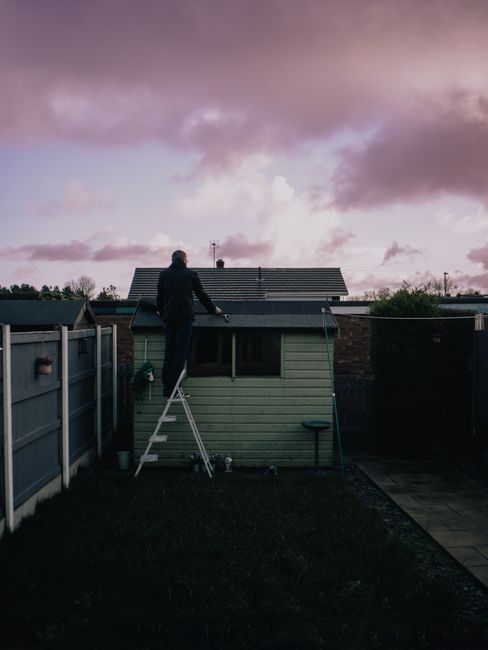
Gutters take a real beating over winter. Leaves left from autumn, moss washed down off the roof, and grit from ageing tiles all settle and pack down into a solid blockage. By spring, many gutters are choked, and the first heavy spring shower sends water spilling down the walls instead of draining away.
Clearing them now sets the house up for the rest of the year. A free-running gutter keeps water off the brickwork and away from the soft old mortar found on so many Coventry and Dudley terraces, where damp soaks in easily. It's a straightforward job that protects the walls, and pairing it with a moss clean on the roof stops the gutters silting up so fast again.
5. Inspect the flashing and the joints
The weak points on any roof are the joints, where the covering meets a chimney, a wall, or a valley. These are sealed with flashing, and winter weather can loosen, crack, or lift it. Once the flashing fails, water gets in at exactly the spots that are hardest to keep watertight, often without any obvious sign until a stain appears on a ceiling.
Chimneys are a common trouble spot on the region's older homes, many of which still have them from the days of coal fires in the metalworking towns. The mortar around the stack and the flashing at its base take a lot of weather. A spring look at these joints, from a safe position or by someone who can get up there properly, catches problems before the leaks start.
6. Know when to call someone in
A ground-level check is something any homeowner can do, and it's genuinely useful. Getting up onto the roof to inspect or fix anything is a different matter. Two-storey roofs are high, spring tiles can still be damp and slippery, and a fall causes serious injury, so anything beyond a look from below is a job for someone with the right kit.
A professional can safely get up close, assess the moss, reset slipped tiles, clear the gutters, and treat the roof in one visit. After more than 15 years working on roofs around the region, that kind of experience turns a worrying list of maybe-problems into a clear picture of what actually needs doing. Spring is the ideal time to book it in, before the busy summer and well ahead of next winter.
- Ground-level look: Use binoculars and check the loft for daylight or damp before going near a ladder.
- Winter moss: Moss is thickest by spring, so clear and treat it before it feeds the gutters and next winter's growth.
- Slipped tiles: Storms and frost shift and crack tiles, leaving the roof open to water; reset them early.
- Gutters: Clear the winter's packed leaves and moss so spring rain drains instead of soaking the walls.
- Flashing: Check joints around chimneys, walls, and valleys, where winter weather loosens the seal.
Frequently Asked Questions
Why is spring the best time to check my roof?
The worst weather has passed, moss is at its thickest, and storm damage is easy to spot. Fixing things now means the roof is sound for the wet months ahead rather than failing in the next downpour.
How can I check my roof without climbing up?
A pair of binoculars from the ground shows slipped tiles, moss, and gaps, and a look in the loft on a bright day reveals daylight or damp. That covers most of what a homeowner needs to see safely.
Is moss really worse after winter?
Usually, yes. Moss thrives in cold, damp conditions, so the winter months let it thicken. By spring it's often a spongy layer holding water against the tiles, which is why it's a good time to clear it.
What should I do if I find a slipped tile?
Get it reset before more weather gets in. A single slipped tile is a quick fix, but left in place it lets water reach the timber below and can lead to a much larger repair.
Can you check and clean the roof in one visit?
Often, yes. A professional can inspect the roof, deal with moss, clear the gutters, and reset loose tiles in a single visit, which is safer and more thorough than trying to tackle it yourself in stages.
Want a proper look at your roof this spring?
Ben's Roof Cleaning carries out safe, low-pressure roof cleaning, moss removal, and gutter cleaning across the West Midlands, with over 15 years of experience. Get in touch or call 0788 912 7153
for a free, no-obligation quote.
A spring look now saves a soggy autumn later
Your roof works hardest through winter and shows the wear come spring. A simple check for moss, slipped tiles, blocked gutters, and tired flashing tells you where you stand, and most of it can be done from the ground. Deal with the small stuff now, bring someone in for the parts that need height, and you head into the rest of the year with a roof you can trust. It's a little effort in spring for a lot of peace of mind later.