Why West Midlands Roofs Grow So Much Moss
You glance up at your roof one grey morning and there it is. Green fuzz along the tile edges, thicker clumps on the shaded side, bits of it dropping into the gutter when the wind picks up. Whether your house is in Birmingham, out in the Black Country, or in one of the towns between, moss is a familiar sight on West Midlands roofs.
The region grows a lot of it, and there are solid reasons why. The age of the housing, the shape of the terraces, and the inland climate all play their part. Understand the causes and keeping moss in check gets a lot easier. Here's what's going on up there.
The quick answer: West Midlands roofs grow heavy moss because shaded north-facing terrace slopes stay damp, the inland climate keeps humidity up, and the old slate and clay on the region's Victorian housing give spores a rough surface to root into and spread.
1. The Inland Climate Keeps Roofs Damp
The West Midlands sits in the middle of the country, away from the drying sea breezes of the coast. The region gets a fair amount of rain, somewhere around 700mm a year across much of it, spread over plenty of grey, humid days rather than a few big downpours.
Moss doesn't need heavy rain, it needs the roof to stay damp. Overcast days, morning dew, and slow-drying tile keep slates moist for long stretches. That steady damp, more than the total rainfall, is what lets moss thrive on roofs from Wolverhampton to Coventry.
2. Shaded Terrace Slopes Never Dry Out
Look along any terraced street in the region and roughly half the roof slopes face away from the sun. North and east-facing slopes get little direct light, especially through the low-sun months from October to March.
Sun is what dries a roof and holds moss back with its UV. A slope that stays shaded all winter stays cool and damp, which is everything moss wants. That's why one side of a roof can be thick with green while the sunnier side stays comparatively clear, even on the same house.
3. The Region's Old Slate and Clay Give Moss a Grip
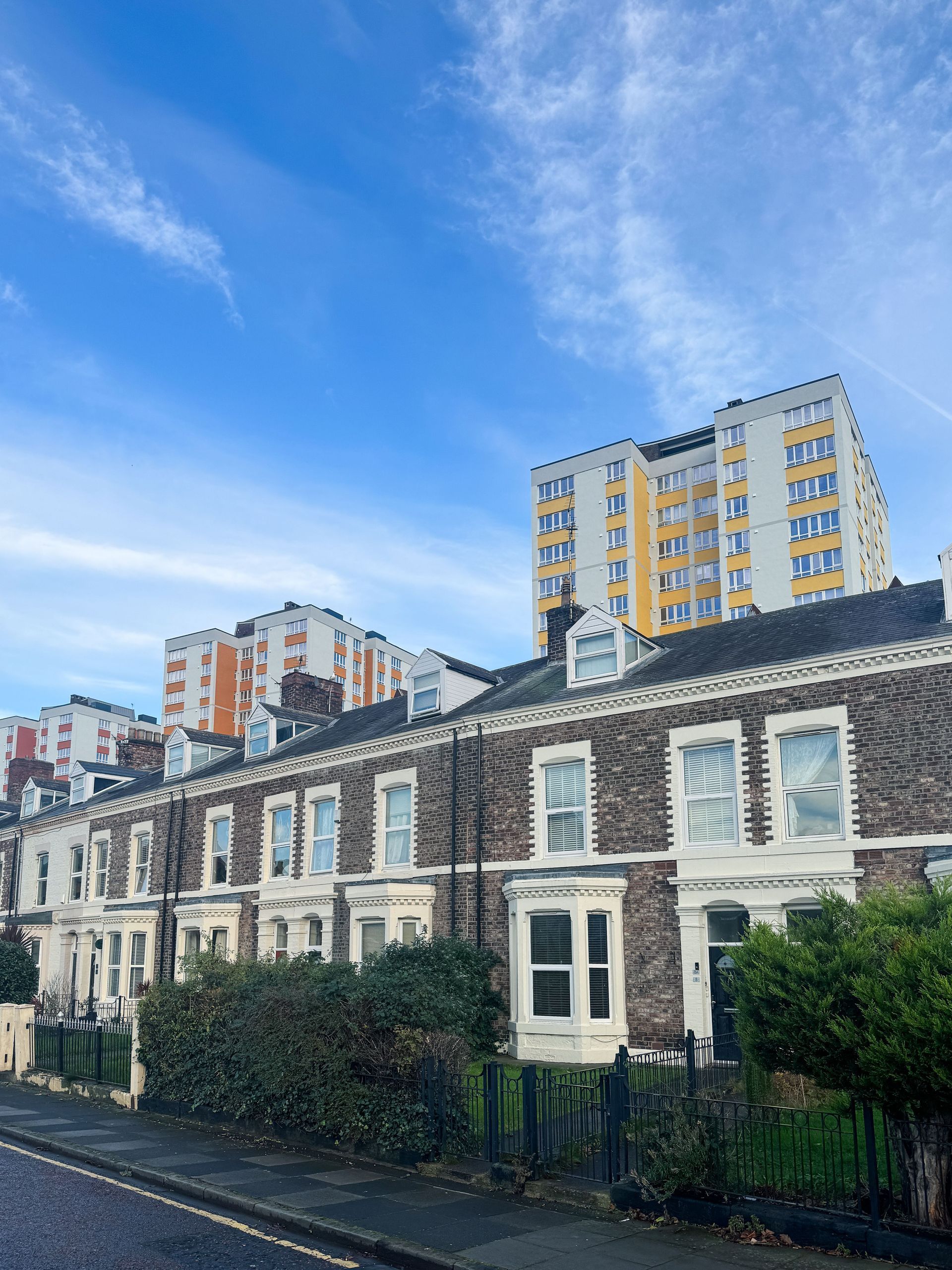
The West Midlands is packed with Victorian and Edwardian terraces, built in red brick to house the workers who powered the area's metalworking, manufacturing, and Black Country foundries. Birmingham's famous back-to-backs are part of that story. Most were roofed in Welsh slate or red clay tile, and that covering is a century old or more now.
Age matters. Decades of frost and rain leave the surface rough and slightly pitted, and every tiny groove is somewhere for a moss spore to lodge and root. Newer glazed tiles shed spores more easily. The weathered slate and clay on an old Midlands terrace is a welcome mat for moss.
4. Trees and Sheltered Streets Add to It
The region has plenty of leafy suburbs, from Birmingham's Moseley and Edgbaston to the greener corners of Solihull and the Black Country towns. Lovely as the trees are, they cause two problems for a roof.
Leaves and debris rot down into the perfect bedding for moss, and the shade the branches cast keeps tiles damp long after the rain has stopped. A roof tucked under a big lime or sycamore grows noticeably more moss than one out in the open, and its gutters fill faster too.
5. Older Housing Means More Vulnerable Roofs
Because so much of the West Midlands housing stock dates from the industrial boom, a huge number of roofs are well past their first century. Old coverings are exactly the ones moss favours, and they're also the ones most likely to suffer when moss holds damp against them.
That combination, aged tile plus a damp climate, is why moss is such a common sight across the region. It's not that homeowners here are careless. It's that the roofs and the weather practically invite it.
6. Once It Takes Hold, Moss Feeds Itself
Moss doesn't stay in one tidy patch. It throws off spores that the wind spreads across the rest of the roof, and every clump holds water against the tile beneath it. That trapped moisture works into gaps, lifts tile edges over time, and encourages yet more growth.
Here are the signs the moss on your roof has become more than a cosmetic issue:
- Moss in the gutters: spongy clumps washing down and blocking the flow, backing water toward your walls.
- Green streaks down the tiles: growth spreading downward from the ridge across the roof.
- Tiles staying dark: patches holding damp and discolouration long after the rest has dried.
- Moss debris in the garden: chunks dropping off on their own, a sign the layer is thick and loose.
- Damp on upstairs ceilings: moisture getting in where moss has lifted tile edges.
Frequently Asked Questions
Is moss actually harmful to a West Midlands roof?
Yes. It traps water against the tile, and when a frost hits, that water freezes, expands, and cracks the surface. It also blocks gutters and lifts tile edges, so it's worth clearing before it spreads.
Can I just scrape the moss off myself?
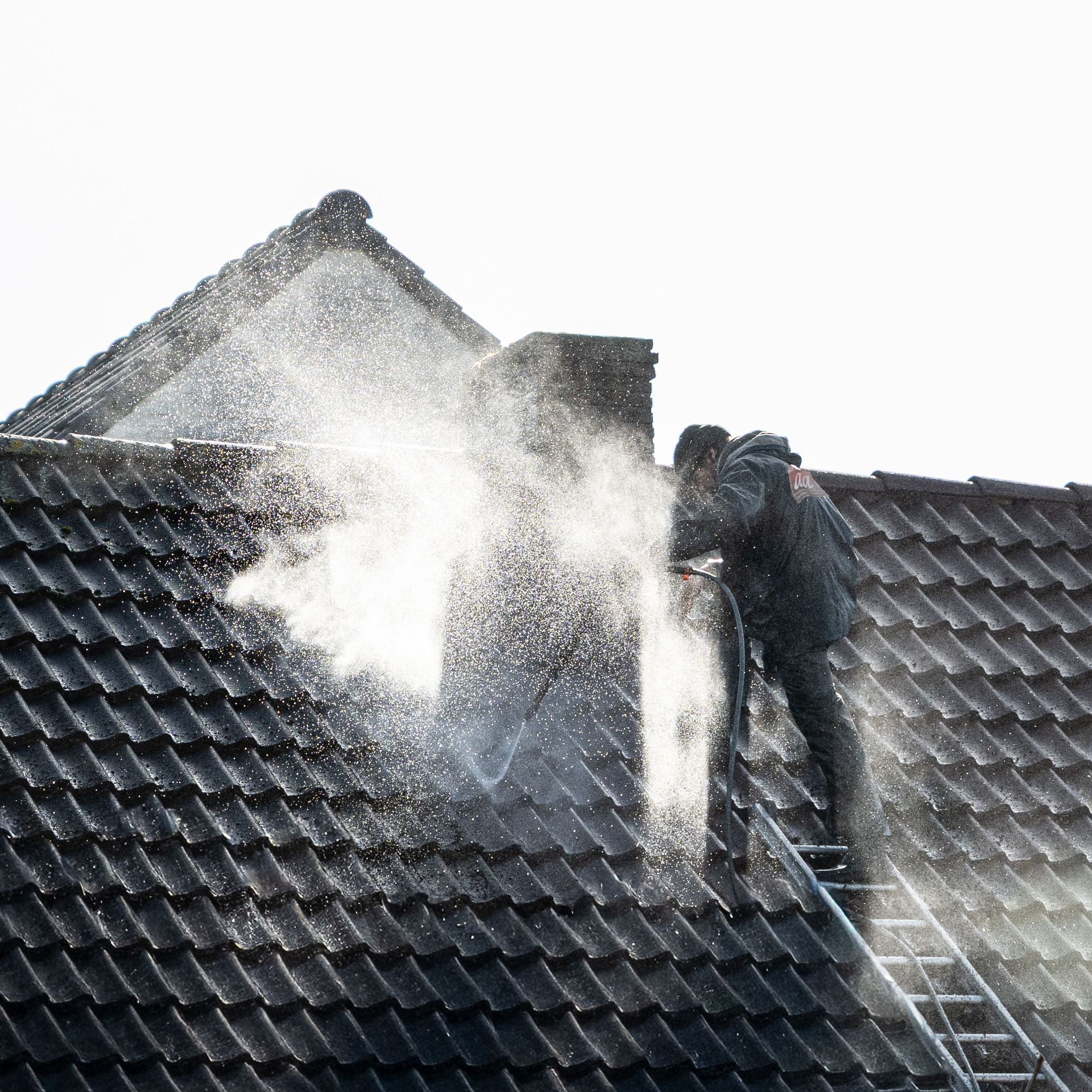
Better not to. Terraced roofs are high and steep, wet tile is slippery, and hard scraping damages the surface. Professional soft washing removes moss without the fall risk or the harm.
How often should a West Midlands roof be cleaned?
Most need a clean every two to three years. A shaded, tree-covered slope may need it sooner. A quick look each autumn tells you how yours is doing.
Will the moss come back after cleaning?
Not for a good while. A soft wash lifts the moss and a biocide treatment kills the spores left behind, slowing regrowth for years rather than months.
Is autumn or winter better for dealing with it?
Autumn is ideal, before the frosts. The work can still be done in dry winter spells, and clearing moss before a hard freeze prevents a lot of frost damage.
Watching the moss take over your roof?
Ben's Roof Cleaning clears moss and cleans roofs across the West Midlands, with over 15 years of experience. Get in touch or call 0788 912 7153
for a free, no-obligation quote.
The Climate Won't Change, So Stay Ahead of the Moss
The damp inland air and the region's grey spells aren't going to change, which means moss will keep finding your roof. The aim isn't to banish it forever, it's to stop it building into the thick, tile-lifting layer that causes real damage. A clean every couple of years, plus a treatment to knock the spores back, keeps your roof sound whatever the West Midlands sky is doing.