Chimney, Flashing and Ridge: The Bits People Forget
When you think about your roof, you probably picture the tiles. That's fair, they cover the most ground. But talk to anyone who deals with leaks across the West Midlands and they'll tell you the tiles are rarely where the water gets in. It's the joins, the edges, and the bits that stick up.
The chimney, the flashing, and the ridge are where roofs actually fail. They take the same weather as everything else, they're often older than the tiles around them, and they get overlooked because most people never think to look. Here's why these three spots matter so much on a West Midlands home.
The quick answer: Most roof leaks start at the chimney, the lead flashing, and the ridge, not the tiles. These joins and edges wear faster than the roof covering, so they need checking during any proper roof clean, before a small gap turns into a damp ceiling.
1. Why the Joins Fail Before the Tiles
A slate or clay tile is a single solid piece designed to shed water. A join is different. Wherever two surfaces meet, or the roof changes direction, or something pokes through, there's a seam that relies on mortar or lead to stay watertight. Seams are always the weak point.
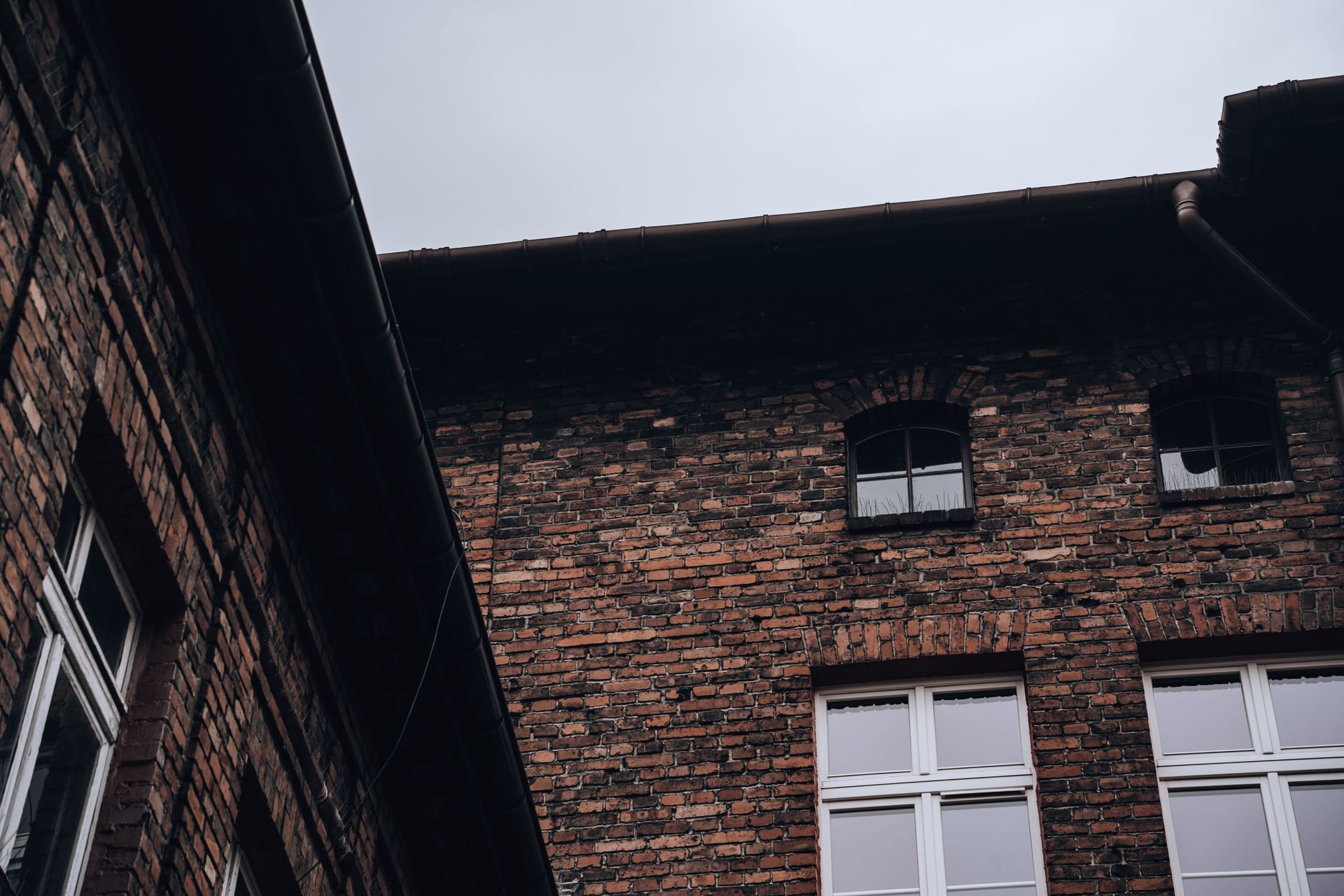
Across the West Midlands, a lot of housing dates from the Victorian and industrial era, so these joins have been weathering for a century. The tiles might still be sound while the mortar and lead around the chimney have quietly crumbled. That's the pattern we see again and again on older Birmingham and Black Country roofs.
2. The Chimney: A Leak Waiting to Happen
Chimneys take a beating. They stand proud of the roof, catching wind and rain from every side, and they're built from brick and mortar that soaks up water. Over the years the mortar between the bricks softens and washes out, and the pointing at the top opens up.
Even on homes where the fireplace hasn't been used in decades, the chimney is still up there letting water in if it's neglected. Damp patches on a bedroom chimney breast are a classic West Midlands sign. When someone's up cleaning the roof, the chimney is the first thing worth a proper look.
3. Flashing: The Lead That Does the Hard Work
Flashing is the strip of lead, or sometimes another metal, that seals the join where the roof meets the chimney, a wall, or a valley. It's shaped and tucked in to guide water back onto the tiles instead of down into the house. When it's sound, you never think about it. When it fails, you get a leak that seems to come from nowhere.
Lead lasts a long time, but it lifts in high winds, cracks with age, and pulls loose as the mortar holding it decays. On exposed West Midlands roofs, slipped or split flashing is one of the most common causes of a stubborn leak that the tiles can't explain.
4. The Ridge: Where Two Slopes Meet
Run your eye along the very top of a pitched roof and you'll see the ridge tiles, the row that caps the join between the two slopes. On most older West Midlands homes these are bedded on mortar, and that mortar is often the oldest, most weathered part of the whole roof.
When ridge mortar crumbles, the tiles loosen. A loose ridge tile is both a leak risk and a genuine hazard, because a heavy clay or concrete tile coming off a terrace roof can do real damage below. Heavy moss growing along the ridge holds damp against the mortar and speeds the whole thing up.
5. Why a Roof Clean Is the Time to Check
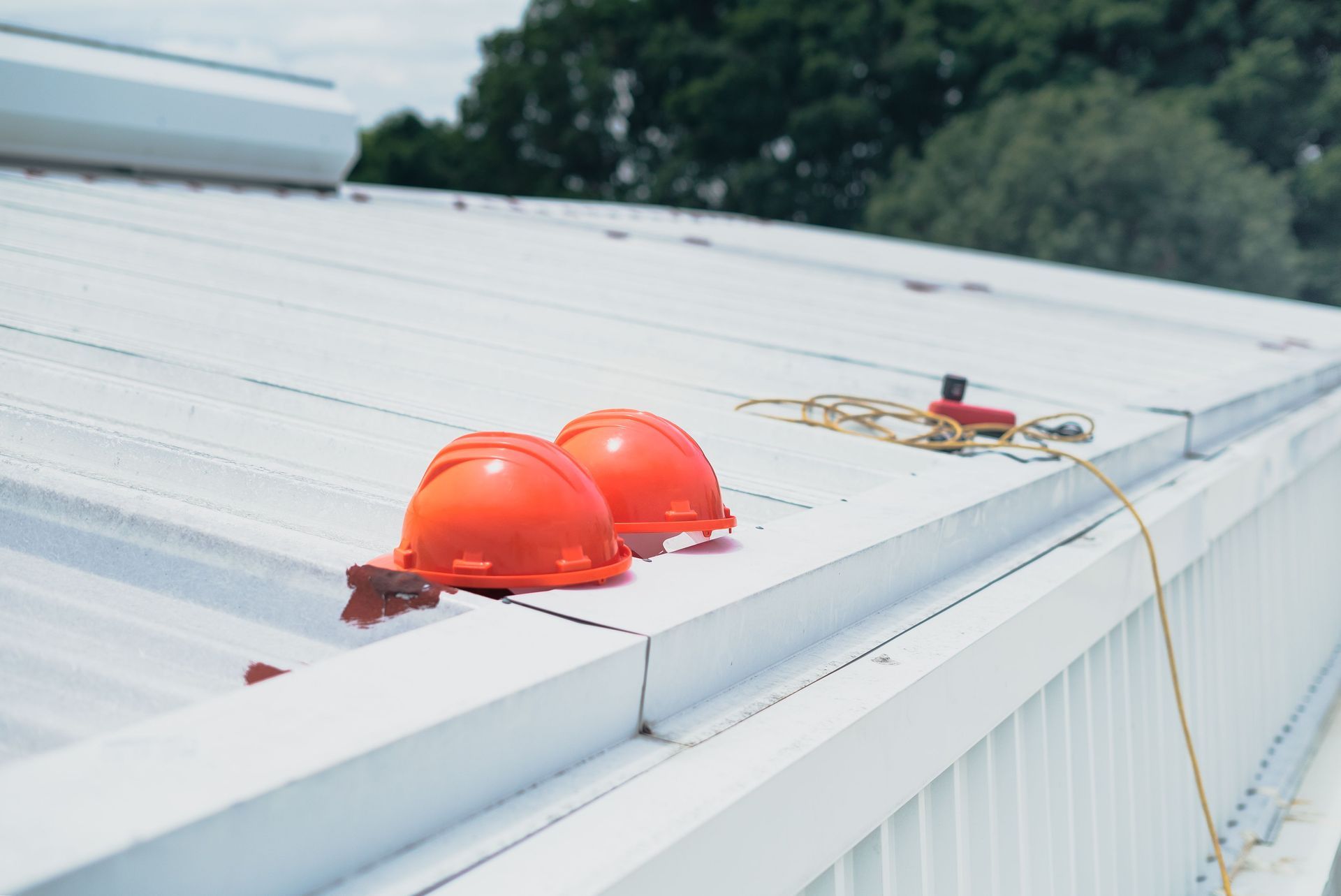
Here's the practical bit. You can't see any of this properly from the ground, and getting up on a roof is not something to do casually. A roof clean already puts a trained person up there safely, with the moss cleared away so the joins are actually visible.
That makes it the natural moment to spot a cracked ridge tile, crumbling pointing, or slipped flashing while it's still a small job. Clearing the moss also removes the damp-trapping layer that accelerates the decay of every mortar joint on the roof. The clean and the check work together.
6. What to Keep an Eye On
You don't need to climb anywhere to stay ahead of trouble. A lot of the early warnings show up from the ground or inside the house. Learn the signs and you can call someone before a gap becomes a proper repair.
Here's what to watch for with these three weak spots:
- Damp on a chimney breast: a stain on the wall or ceiling near the chimney usually means the stack or its flashing is letting water in.
- Bits of mortar in the gutter: sandy grey debris washing down often comes from failing ridge or chimney pointing.
- A ridge tile out of line: any tile along the top that looks lifted, tilted, or slipped needs sorting quickly.
- Dark streaks below the chimney: staining running down the tiles from the stack points to a flashing or pointing problem above.
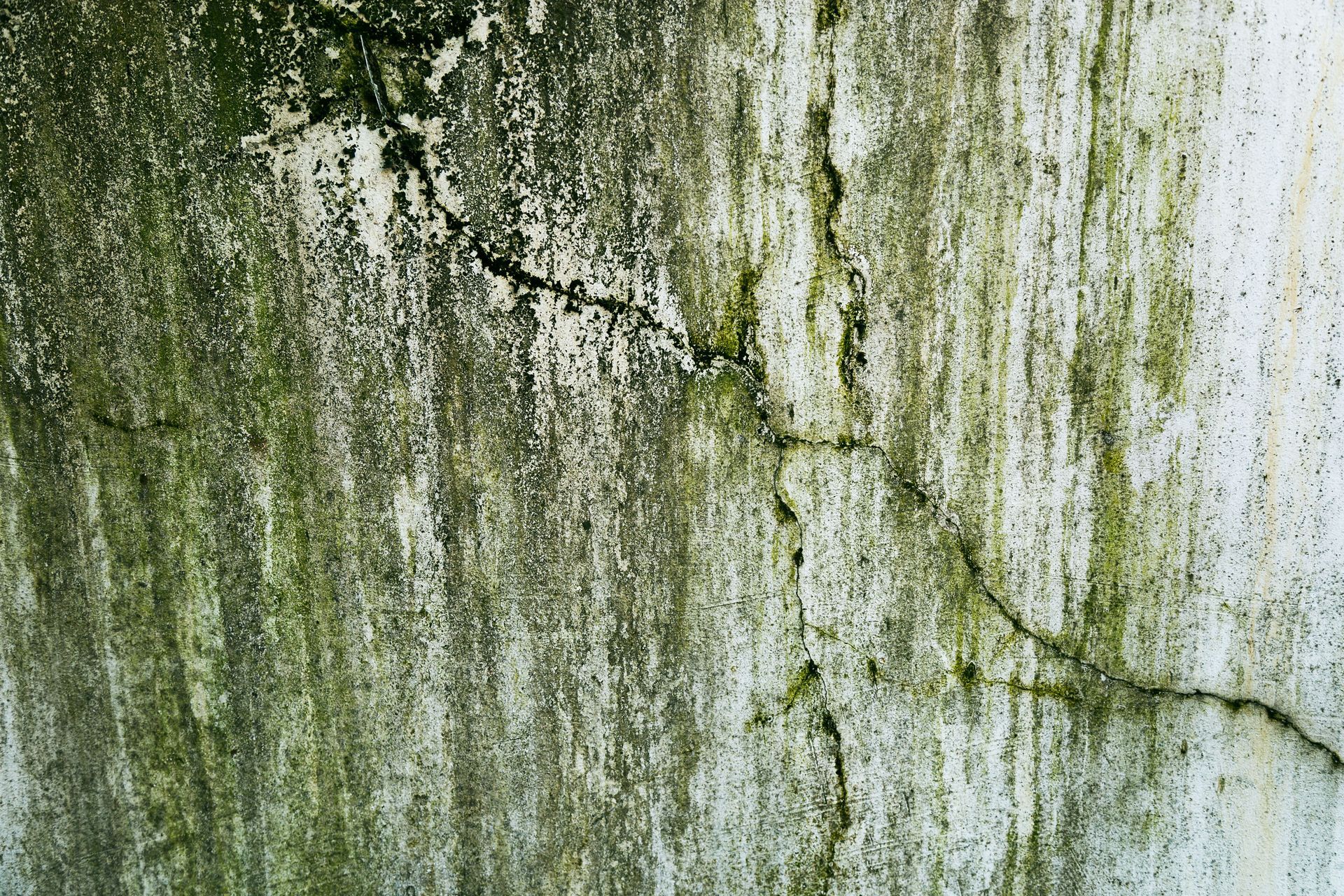
- Green growth along the ridge and joins: heavy moss on the mortar lines holds damp exactly where the roof is most vulnerable.
Frequently Asked Questions
Do you check the chimney and flashing as part of a roof clean?
A good roof clean includes a look at the chimney, flashing, and ridge while someone is safely up there. Clearing the moss makes these joins visible, so problems get spotted early rather than after a leak.
My chimney isn't used anymore. Does it still matter?
Yes. An unused chimney still stands in the weather and still lets water in through decayed mortar or failed flashing. Capping or maintaining it protects the rooms below whether you light a fire or not.
How long does lead flashing last?
Well-fitted lead can last decades, but it lifts in wind, cracks with age, and loosens as surrounding mortar decays. On older West Midlands roofs it's worth checking during every roof clean.
Is a loose ridge tile dangerous?
It can be. A heavy tile coming off a terrace or two-storey roof can hurt someone or damage property below. Loose ridge tiles should be re-bedded promptly, not left through a windy winter.
Can moss really damage the mortar joints?
Yes. Moss holds water against ridge and chimney mortar, and in a frost that trapped water expands and breaks the joint down faster. Clearing it protects the most vulnerable parts of the roof.
Worried about the chimney or ridge on your roof?
Ben's Roof Cleaning cleans roofs and checks the vulnerable joins across the West Midlands, with over 15 years of experience. Get in touch or call 0788 912 7153
for a free, no-obligation quote.
The Small Bits Are Where Roofs Really Fail
Your tiles get all the attention, but the chimney, flashing, and ridge are where the water usually finds its way in. They're older, more exposed, and easy to forget, which is exactly why they cause so much trouble on West Midlands homes. Keep them in mind, watch for the early signs from the ground, and use each roof clean as a chance to catch the small problems before they become the expensive ones.