Those Black Streaks on Your Roof: What the Algae Really Is
You've noticed the dark streaks running down your roof, those grey-black stains that look a bit like dirty water dried in place. Maybe they've crept across one slope while the rest stays clearer, and now your roof looks tired and neglected even though the tiles underneath are sound. It's one of the most common questions homeowners ask, and the answer surprises a lot of people.
Those streaks aren't dirt, soot, or general grime. They're a living thing, a type of algae that feeds on the roof and spreads with the weather. Understanding what it actually is helps explain why it won't just wash off in the rain and why it keeps coming back. Across the West Midlands, with our damp climate and old roofs, it's a familiar sight. Here's what's really going on up there.
The quick answer: Those black streaks are algae, most often a hardy type called Gloeocapsa magma, that feeds on the roof and spreads in damp conditions, and it needs a proper treatment to clear rather than a simple wash.
1. What the black streaks actually are
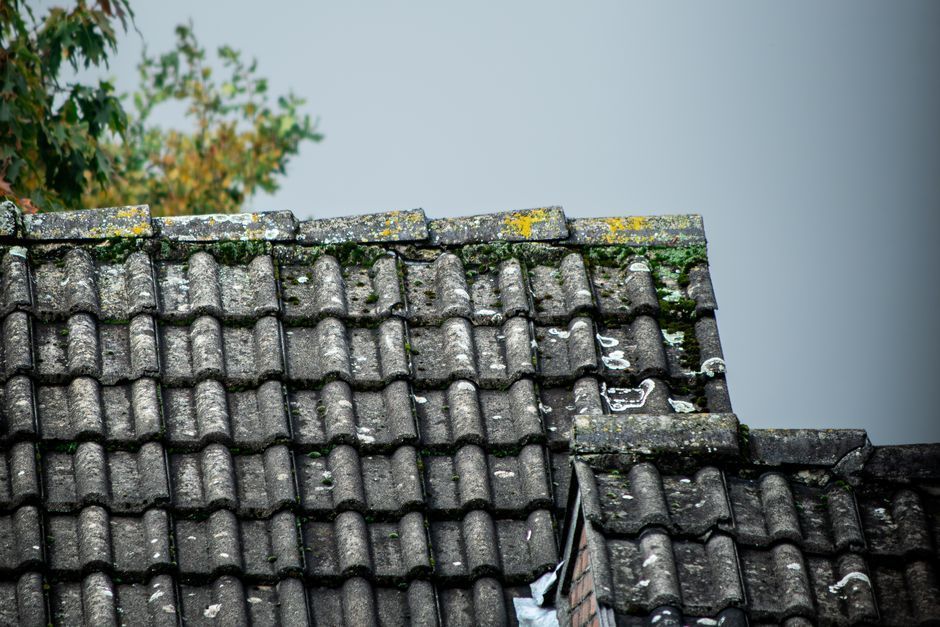
The dark staining is algae, a living organism that colonises the surface of your tiles. The most common culprit is a blue-green algae often known by its scientific name, Gloeocapsa magma. It's hardy, it spreads easily on the wind, and it settles happily on the kind of roofs we have across the region. Once it takes hold, it feeds and multiplies, and the stain slowly darkens and spreads.
The streaky look comes from the way it grows and how rain moves it. The algae tends to start higher up and wash downward, which is why the stains run in vertical streaks toward the gutter. It's not dirt that a good downpour will rinse away. It's a growth that's anchored to the roof, and it needs dealing with properly to shift it.
2. Why it feeds on your roof
Algae needs something to feed on, and modern roof tiles give it exactly that. Many concrete and clay tiles contain limestone filler, and the algae feeds on the mineral content along with airborne dust and moisture. That's why it can spread across a roof that otherwise looks perfectly sound, the food source is the tile itself.
This is part of why newer estates aren't immune. Even relatively young concrete-tiled roofs on the housing developments around Solihull and the edges of Birmingham can streak up within a few years. The algae isn't a sign the tiles are failing, it's simply found a surface it can live on, and our climate does the rest.
3. Why West Midlands roofs get it so badly
Our weather is close to perfect for algae. The West Midlands sits inland with a cool, damp climate and long spells of rain and grey skies through much of the year. Algae thrives on that constant moisture, and roofs here rarely get the long, hot, dry stretches that would slow it down.
Shade makes it worse. North-facing slopes, roofs tucked behind taller buildings, and streets lined with mature trees stay damp for longer, and that's where the darkest streaks appear. On the tightly packed terraces of the Black Country, from Dudley to Walsall, where houses shade one another, algae finds plenty of cool, wet surfaces to spread across.
4. Is the algae actually harming the roof?
The staining itself is mostly a cosmetic problem at first, but it doesn't stay that way. As the algae holds moisture against the tiles, it keeps the surface damp for longer, and that lingering wetness creates ideal conditions for moss and lichen to move in alongside it. What starts as a black stain often becomes a fuller growth over time.
That combination is where the real wear comes from. Moisture held against the tiles, moss creeping into the gaps, and the freeze-thaw of winter frost all chip away at the roof's surface. Clearing the algae early, before it invites heavier growth, keeps the roof in better shape and stops a cosmetic issue turning into a maintenance one.
5. Why you can't just wash it off
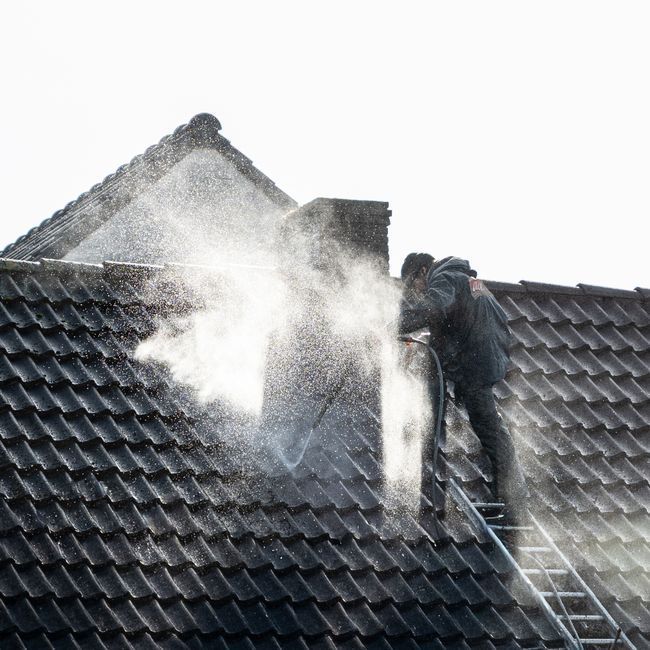
Because it's a living growth feeding on the tiles, algae doesn't rinse away like ordinary dirt. Blasting it with a pressure washer is worse than useless, it strips the surface of older tiles, forces water underneath, and still leaves the spores behind to regrow. Within a season the streaks are back, often darker than before.
The method that works is a soft wash. Low-pressure water paired with a proper biocide treatment kills the algae at the root rather than just knocking off the surface. The treatment keeps working after the visit, slowing how fast the algae returns, so the roof stays clear for far longer than a quick blast ever could on the region's ageing slate and clay.
6. Keeping the streaks from coming back
Once the algae is cleared and treated, a bit of upkeep keeps it at bay. The biocide slows regrowth, but no roof stays clean forever in our climate, so a check every couple of years catches it before the streaks return in force. Keeping the gutters clear and the surrounding trees trimmed back helps too, since more light and air slow the algae down.
Regular care is easier than a rescue. A roof that's treated and kept an eye on takes a light touch each time, while one left to streak up and grow moss for a decade is a much bigger job. Given how well our damp inland weather suits algae, staying ahead of it is the sensible way to keep a roof looking cared for.
- It's algae, not dirt: The black streaks are a living growth, commonly Gloeocapsa magma, not soot or grime.
- It feeds on the tiles: Algae feeds on the mineral content in concrete and clay tiles, so even sound roofs streak up.
- Our climate suits it: A damp inland climate and shaded slopes let algae spread fast across local roofs.
- It invites worse: Held moisture creates the conditions for moss and lichen to move in alongside the staining.
- Soft wash clears it: Low pressure and a biocide treatment kill it at the root; jetting just spreads and regrows it.
Frequently Asked Questions
Are the black streaks dangerous to my health?
The algae on the roof isn't a direct health hazard to you indoors. It's mainly a cosmetic and maintenance issue, though left alone it encourages moss and lichen that can wear the roof over time.
Will the streaks wash off in the rain?
No. Because the algae is a living growth anchored to the tiles, rain won't shift it. It actually spreads the algae downward, which is what creates the streaky pattern in the first place.
Does the staining mean my tiles are failing?
Not usually. Algae feeds on the mineral content of perfectly sound tiles, so even a solid roof can streak up. It's a surface growth, not a sign the tiles themselves have gone.
Can I pressure wash the algae off myself?
It's not advised. High pressure damages older tiles, forces water underneath, and leaves spores behind to regrow. A low-pressure soft wash with a biocide treatment is the safe, lasting way to clear it.
How long before the streaks come back after treatment?
A biocide treatment slows regrowth considerably, but our damp climate means no roof stays clear forever. A check every couple of years usually keeps the algae from building back up to heavy streaks.
Tired of the black streaks on your roof?
Ben's Roof Cleaning carries out safe, low-pressure roof cleaning, moss removal, and gutter cleaning across the West Midlands, with over 15 years of experience. Get in touch or call 0788 912 7153
for a free, no-obligation quote.
Know what you're looking at, then clear it for good
Those dark streaks are more than an eyesore, they're a living algae feeding on your tiles and quietly setting the stage for moss and lichen. Understanding that explains why they don't rinse away and why a pressure washer only makes things worse. A proper soft wash and treatment clears the algae at the root and keeps it off for far longer. On a West Midlands roof, that's the difference between a stain you keep fighting and one you actually deal with.