How Blocked Gutters Lead to Damp Walls
You probably don't give your gutters a second thought until something shows up inside the house. Maybe it's a cold patch of damp creeping across a bedroom wall, a musty smell in the hallway that won't shift, or paint that keeps flaking away near the skirting board. It feels like a wall problem, so that's where people start looking.
More often than you'd think, the real cause is sitting up at roof level. A gutter packed with moss, leaves and grit can't carry water away, so the water goes wherever it can instead, which usually means straight down your outside wall. Give it a few wet weeks and that soaked brickwork starts showing up inside as damp. Here's how the whole thing happens, and what actually puts a stop to it.
The quick answer: When a gutter blocks, rainwater spills over the edge and runs down the wall instead of draining away, soaking the brickwork until the damp works its way through to the inside.
1. How rainwater is meant to leave your roof
Your roof does one simple job when it rains. It sheds water down the slope, into the gutter along the eaves, and then out through the downpipe to the drain. As long as that channel stays clear, even a heavy West Midlands downpour drains away in minutes and your walls stay dry.
The whole system only works because it keeps moving water away from the building. On the older terraces you see all over Birmingham and the Black Country, the gutters often run the full length of a shared roofline, so one blockage can back up water across two or three houses at once. When the flow stops, the trouble starts.
2. What actually happens when a gutter blocks
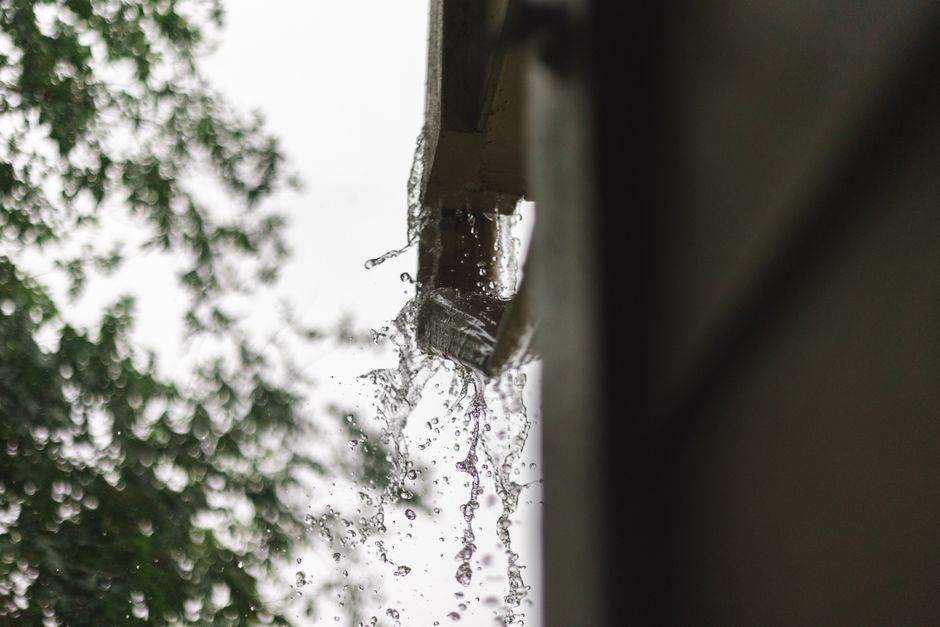
Moss washes down off the tiles, leaves drop in through autumn, and fine grit builds up over the years. All of it settles in the bottom of the gutter and turns into a soggy dam. Once that dam is high enough, water can't reach the downpipe, so it rises to the front lip of the gutter and pours over the side.
Now the water is going exactly where you don't want it. Instead of running down a sealed pipe, it sheets straight down the wall, hour after hour, every time it rains. In a wet Midlands winter that can mean weeks of a wall being drenched with nowhere for the water to go.
3. The path damp takes into your walls
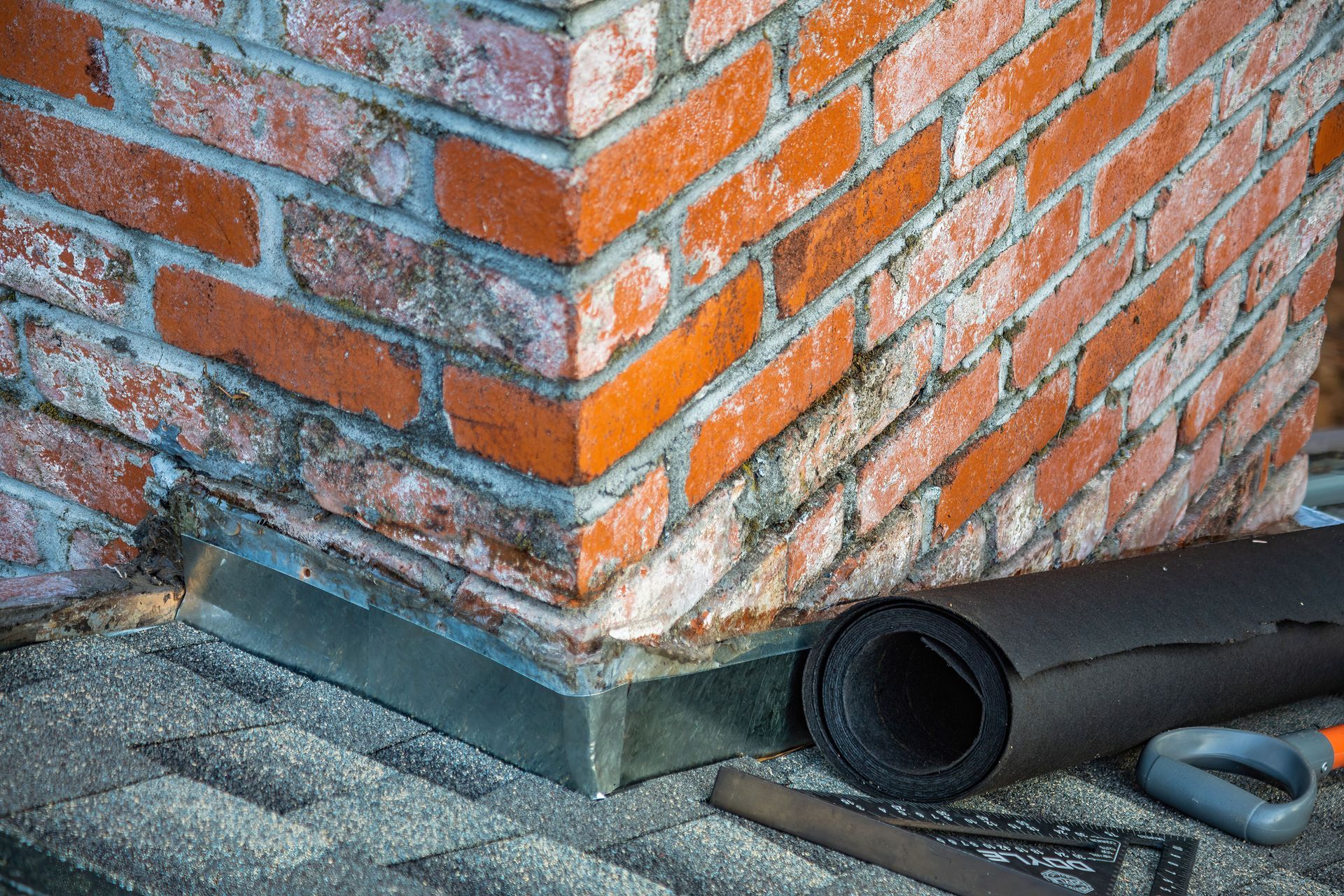
Brick and mortar soak up water like a sponge. A short shower does no harm because the wall dries out again quickly. The problem is constant soaking from an overflowing gutter, which keeps the brickwork wet for so long that moisture pushes right through to the inner face.
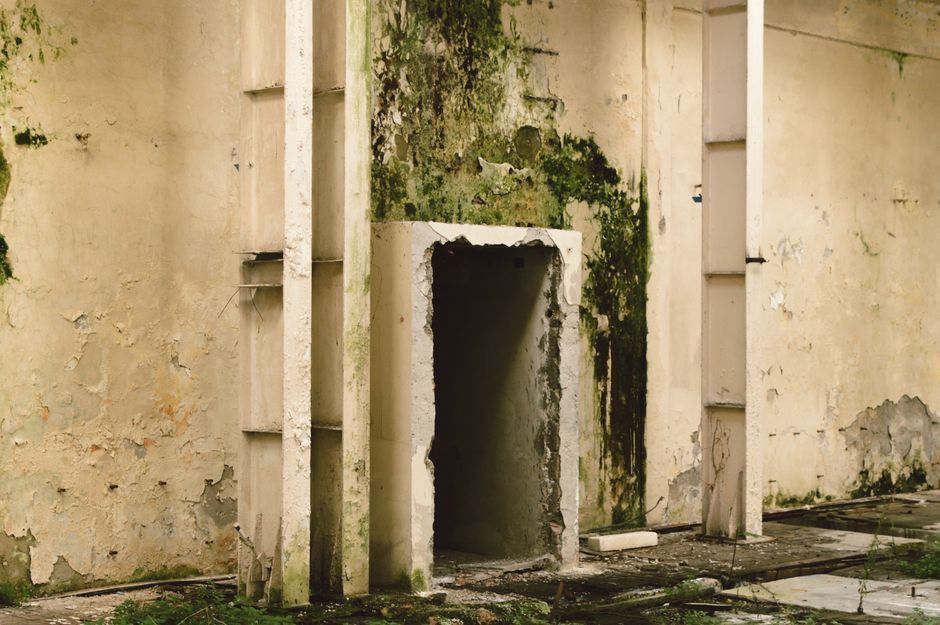
Older homes across Wolverhampton and Walsall are especially prone to this because many are solid-wall builds with no cavity to act as a barrier. Once the outer skin is saturated, there's nothing to stop the damp reaching the plaster inside, and that's when you see the stains, the blown paint and the black spotting in the corner of a room.
4. Why West Midlands homes see it so often
Sitting inland, the West Midlands doesn't get the drying sea breezes that coastal areas do, so walls stay damp for longer after rain. Add the region's steady, drizzly weather through autumn and winter and you've got the ideal conditions for a slow-soaking wall to never quite dry out.
The housing stock plays its part too. From the tight back-to-backs in inner Birmingham to the long red-brick terraces of Dudley and Coventry, a lot of local homes are a century or more old, with original gutters and porous mortar. Those walls have far less tolerance for a gutter that's spilling water down them day after day.
5. How to tell the damp is coming from your gutters
The clearest clue is where the damp shows up. If the stain is high on the wall or near the ceiling rather than rising from the floor, and it lines up with a gutter joint or a downpipe outside, an overflow is the likely culprit. Rising damp starts low down, so height is a useful giveaway.
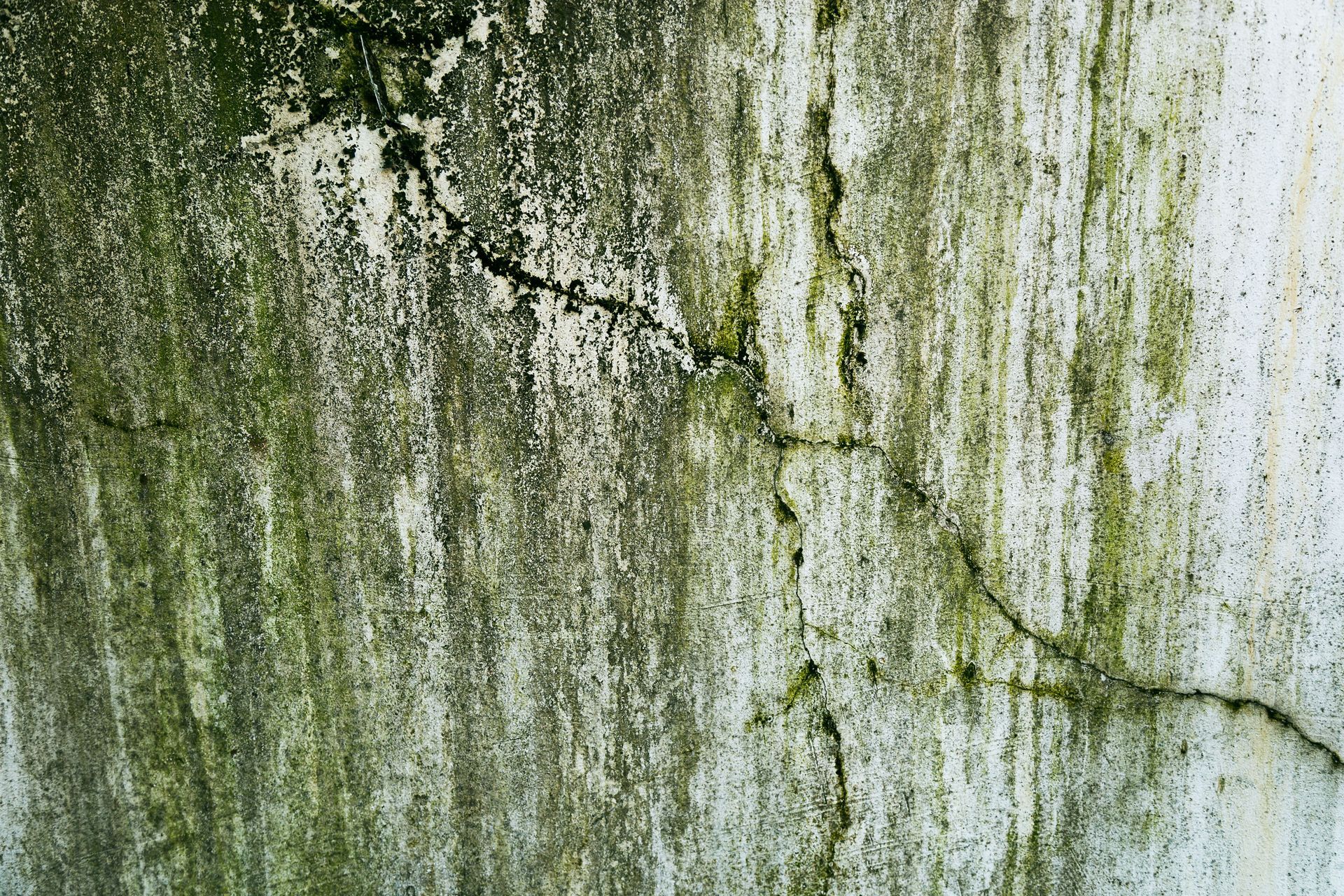
The other test is timing. Go out and look during heavy rain. If you can see water sheeting over the gutter edge, dripping from a joint, or running behind the downpipe rather than through it, you've found your source. A green streak of algae down the wall under that spot is another dead giveaway.
6. What clearing the gutters actually fixes
Once the gutter runs freely again, the wall finally gets a chance to dry out. Clearing the moss and debris, flushing the run through, and checking the downpipe carries water to the drain puts the whole system back to doing its job. The soaking stops, and over the following weeks the brickwork gives up the moisture it was holding.
It's worth pairing that with a look at the roof itself, because the moss dropping into the gutter has to come from somewhere. On a shaded Coventry terrace slope, cleaning the roof and keeping the moss down means far less debris washing into the gutters each year, so they stay clear for longer and your walls stay dry.
- Overflow point: Water spills at the highest part of the blockage, so the damp patch often sits away from the downpipe.
- Solid walls: Older Midlands homes without a cavity let saturated brickwork pass damp straight through to the plaster.
- Autumn peak: Falling leaves plus washed-down moss make October and November the worst months for blockages.
- Hidden downpipes: A blocked downpipe can look fine from the ground while backing water up behind it.
- Early action: Clearing a gutter before winter is far cheaper than treating damp plaster later.
Frequently Asked Questions
Can a blocked gutter really cause damp inside my house?
Yes, it's one of the most common causes we see. Overflowing water soaks the outside wall for weeks on end, and eventually that moisture pushes through to the inside, especially on older solid-wall homes.
How do I know if it's the gutter and not rising damp?
Look at the height of the stain. Damp from an overflowing gutter usually appears high up or mid-wall and lines up with a gutter or downpipe outside, while rising damp starts near the floor.
How often should gutters be cleared?
Once a year is a sensible minimum for most homes, ideally in late autumn. If you've got trees nearby or a shaded roof that grows a lot of moss, twice a year is safer.
Will the damp patch go away on its own once the gutter is clear?
The wall will start drying out once the soaking stops, and light staining often fades over a few weeks. Longstanding damp that has reached the plaster may need the surface treated or redecorated afterwards.
Do you clean the roof at the same time as the gutters?
We can, and it often makes sense. Keeping the moss off the roof means less debris washing into the gutters, so they stay clear for longer through the wet Midlands months.
Worried a blocked gutter is behind your damp walls?
Ben's Roof Cleaning clears gutters and cleans roofs across the West Midlands, with over 15 years of experience. Get in touch or call 0788 912 7153
for a free, no-obligation quote.
Clear gutters are the cheapest damp-proofing you can buy
Damp walls feel like a big, expensive problem, and left alone they become one. Yet the fix often starts with something as simple as clearing a gutter and getting water moving off the roof properly again. Sort that out before winter sets in, keep the moss on the roof under control, and you spare yourself the far bigger job of drying out and repairing soaked brickwork later on.